
-
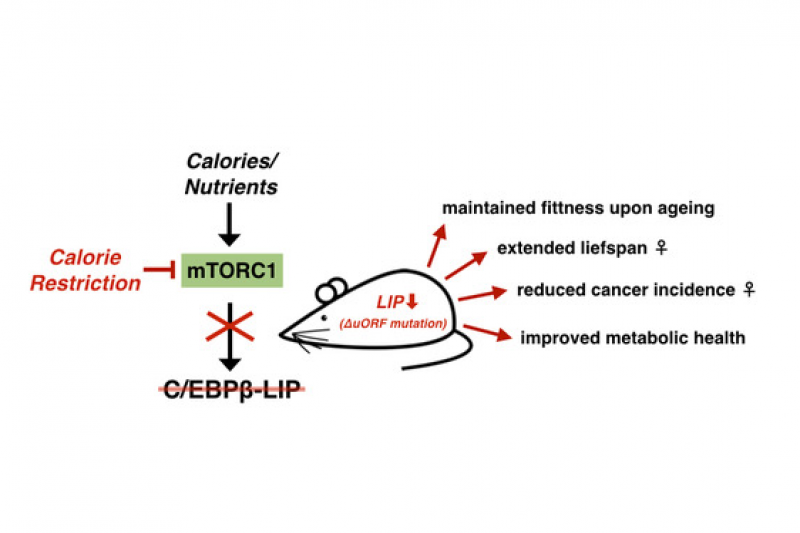 Less is more? Gene switch for healthy aging found22 May. 2018Ageing is the main risk factor for becoming frail and for developing different ageing-associated diseases, like cancer, heart disease, type II diabetes and Alzheimer. Instead of treating these different diseases separately a main aim in ageing research is to delay the ageing process as a whole and t
 -
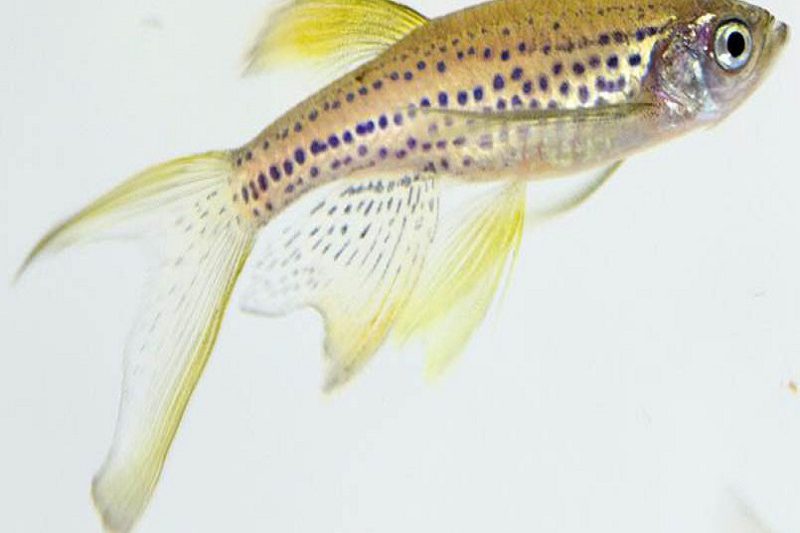 Item on lab animals in ‘Jeugdjournaal’26 Apr. 2018There is an ongoing and important discussion on the use of lab animals for experimentation. Some protestors wish for all animal experiments to stop immediately. However, currently, many animal experiments are still performed in the Netherlands and elsewhere. Why do we still need experimental animals
 -
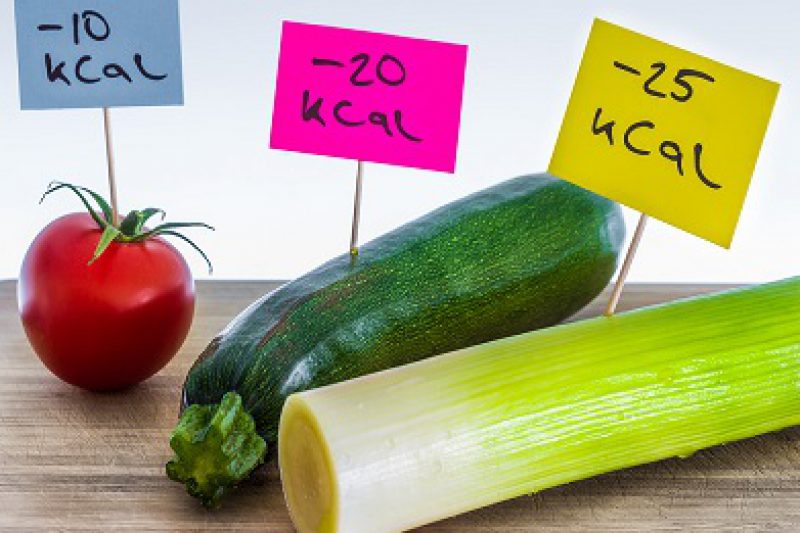 Calorie restriction reduces markers of cellular senescence27 Mar. 2018The Demaria laboratory, in collaboration with dr Luigi Fontana (Washington University, USA) and dr John Speakman (University of Aberdeen, Scotland), published in Aging Cell that calorie restriction lowers senescence markers in mouse and human colons. Calorie restriction (CR) is an effective strate
 -
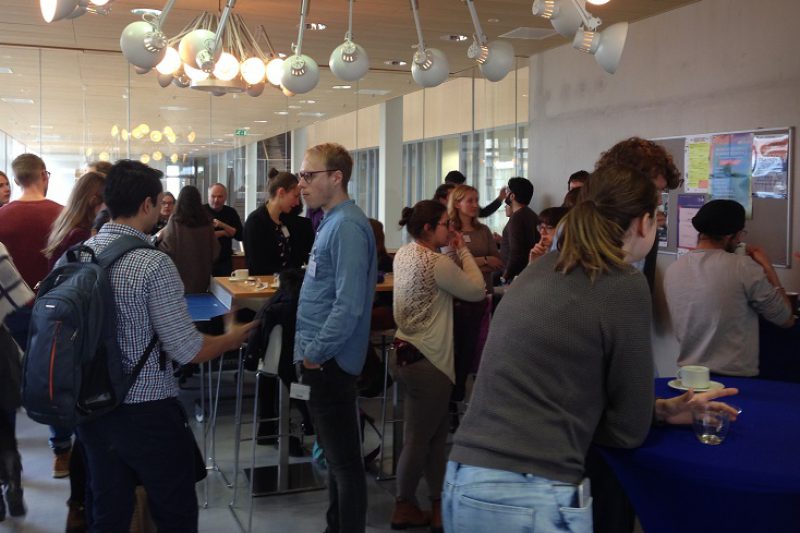 ERIBA Career Day event22 Mar. 2018On Wednesday March 14 2018 a very successful first edition of the ERIBA Career Day took place, introducing PhD students and Postdocs to career opportunities outside of academia. A variety of enthusiastic guest speakers shed light on their motives to leave a traditional academic career behind, lettin
 -
 Resilience to aging in the regeneration-capable flatworm Macrostomum lignano05 Mar. 2018This study by the Berezikov Group focusses on the ageing process of the free-living, sexual flatworm Macrostomum lignano. Due to their large regenerative capacity and high cellular turnover during homeostasis, flatworms might age very different than humans. A popular hypothesis, for example, is that
 -
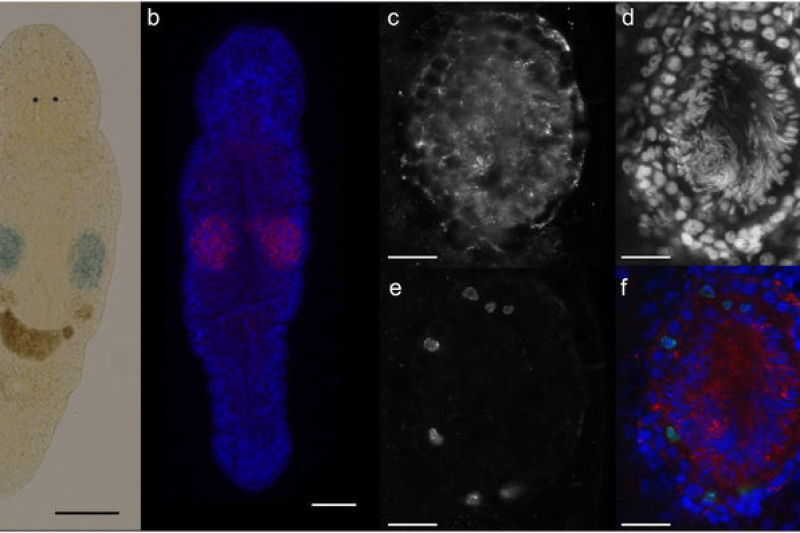 A novel flatworm-specific gene implicated in reproduction in Macrostomum lignano16 Feb. 2018This study by the Berezikov Group describes a novel direction for flatworm research. Flatworms are mainly known for being able to regenerate their complete body, including the germline. This is enabled by a population of stem cells, called neoblasts. Traditionally, molecular flatworm research focuse
 -
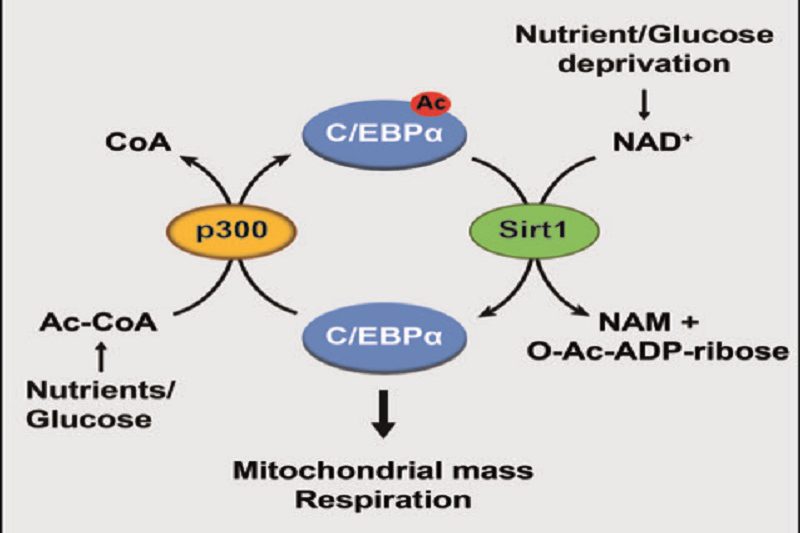 p300 and SIRT1 regulated acetylation switch of C/EBPα controls mitochondrial function13 Feb. 2018This study led by the Calkhoven lab describes that the transcription factor C/EBPα is a key mediator of SIRT1-controlled transcription of mitochondrial genes, which results in increased mitochondrial respiration. SIRT1 is activated in times of energy demand by high levels of NAD+ and its activation
 -
 At the American Society for Hematology Meeting in Atlanta Gerald de Haan highlights common biologic concepts related to hematopoietic stem cell aging13 Feb. 2018http://www.bloodjournal.org/page/review-series/aging?sso-checked=true
 -
 Jaskaren Kohli awarded Marie-Curie Individual Fellowship09 Feb. 2018Jaskaren Kohli has been awarded a prestigious Marie-Curie Individual Fellowship by the European Union. He will be hosted by the Demaria laboratory to investigate what mechanisms underlie survival in senescent melanocytes, and whether interfering with these pathways can induce death of melanocytic
 -
 Research grant Gerald de Haan from LSBR12 Jan. 2018Gerald de Haan was awarded a research grant from the Landsteiner Foundation for Blood Transfusion Research (LSBR) to study the role of a novel cell surface receptor that his team has discovered to be preferentially expressed on very primitive hematopoietic stem cells. This receptor, Neogenin-1, is u